
Preparing Your Fence for Texas Storm Season in Killeen, TX
Last spring, a homeowner in Killeen called us two days after a bad storm rolled through. A section of her back yard fence had snapped clean off its posts and landed in her neighbor's yard. She hadn't noticed anything wrong with the fence before the storm hit.
When we got out there to assess the damage, the problem was clear. The posts had been rotting at the base for months. The storm didn't break her fence. It just finished what the humidity had already started.
That's the thing about storm damage in Killeen. The storm rarely acts alone.
What Storm Season Looks Like in Central Texas
Killeen sits in a part of Texas that sees serious weather between spring and early fall. Thunderstorms roll through with little warning. Wind gusts during strong storms regularly hit 50 to 60 miles per hour. Add hail, heavy rain, and saturated soil into the mix, and your fence takes a beating from multiple directions at once.
The fences that survive storm season aren't always the newest ones. They're the ones that got attention before the weather turned.
Start With a Full Inspection
Before storm season hits, walk your entire fence line and look at it closely. Don't just glance from the back porch. Get close.
Here's what to look for:
- Posts that rock or lean when you push them
- Wood that feels soft or spongy at ground level
- Rust forming at joints, fasteners, or post bases
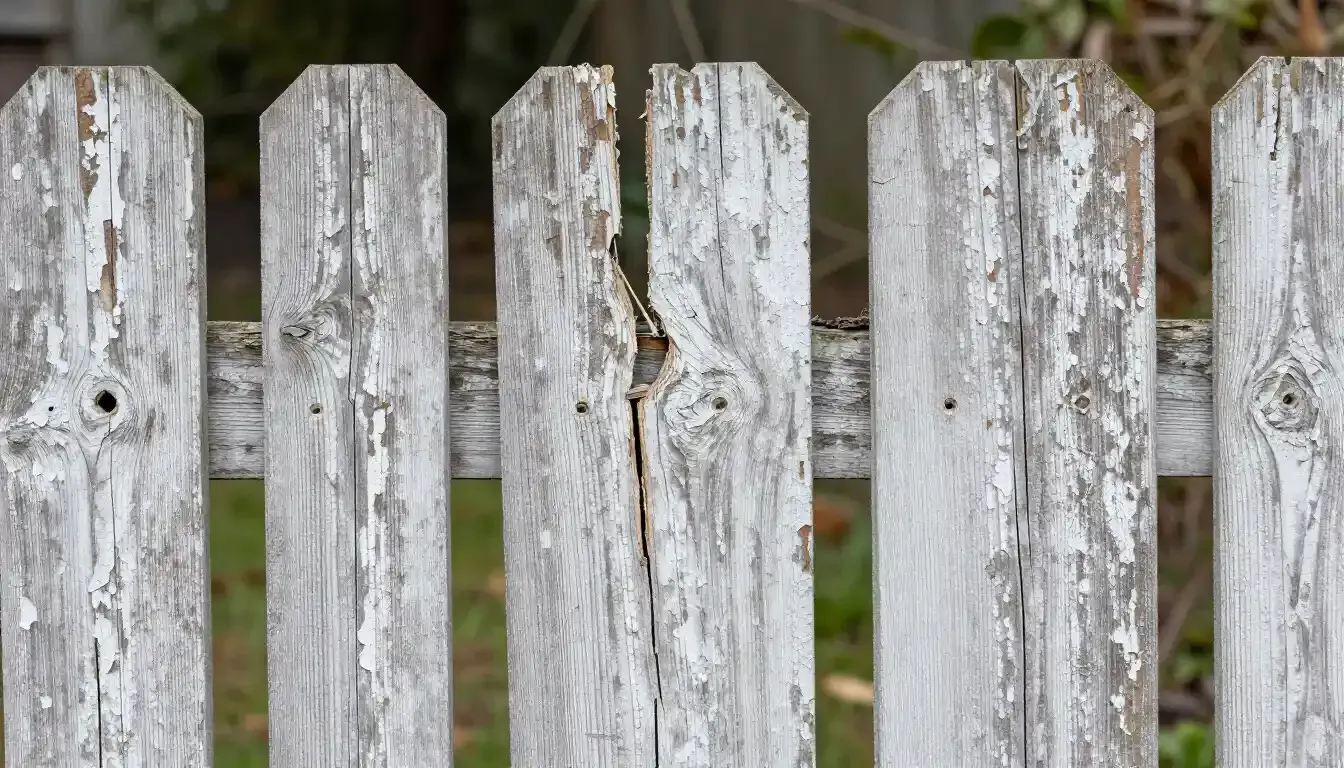
- Boards or pickets that have pulled away from the rails
- Gates that don't close or latch cleanly
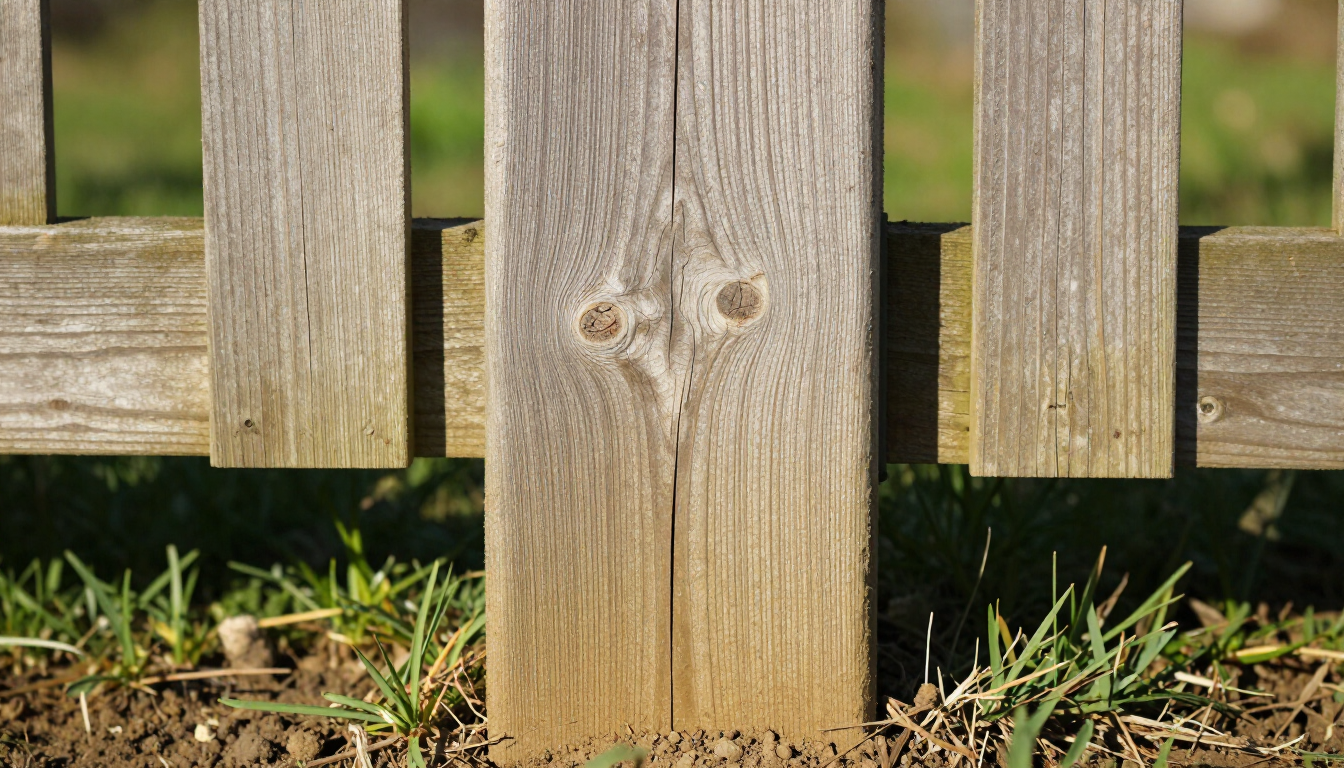
- Cracks or splits in the wood, especially along the grain
Any one of these issues becomes a much bigger problem when 60 mph winds push against your fence. Finding them now costs far less than replacing a collapsed section after a storm.
Pay Close Attention to Your Posts
Fence posts are the backbone of your entire fence. When posts fail, everything attached to them fails too.
In Killeen's climate, wood posts face constant stress at ground level. The soil here shifts with heat and moisture. Posts expand and contract through hot summers and wet weather cycles. Over time, that movement loosens the post in the ground and lets moisture into the wood.
Push each post firmly and see if it moves. A post that rocks even slightly needs attention before storm season arrives. A rocking post won't survive a strong gust.
Check Every Gate
Gates take more abuse than any other part of your fence. They swing open and shut constantly. Their hinges carry weight day after day. In a storm, a loose gate becomes a battering ram.
Check each gate for:
- Hinges that have pulled away from the post
- Sagging that keeps the gate from closing fully
- Latches that don't catch reliably
- Gaps between the gate and the post that have widened over time
A gate that doesn't latch is a gate that will swing hard in a storm and put stress on the entire fence frame around it.
Address Wood Rot Before the Rain Comes
Wood rot is the silent killer of fences in Killeen. Our summers are hot and humid. That combination is ideal for the fungal growth that breaks wood down from the inside.
Soft spots at the base of posts or along bottom rails are a red flag. If you press on a board and your thumb leaves an impression, the wood is compromised. No amount of paint or stain will fix rot that has already taken hold inside the wood.
Rotted boards and posts need to be replaced, not patched. A rotted post that looks solid on the outside can snap under storm pressure with no warning.
Clean and Seal Your Wood Fence Before Storm Season
If your wood fence is in good structural shape, a coat of quality sealant before storm season gives it a real layer of protection.
Sealant does two things. It slows moisture from soaking into the wood during heavy rain. It also helps the wood handle the expansion and contraction that comes with Killeen's temperature swings.
Clean the fence first. Remove dirt, mildew, and any peeling old stain. Let it dry fully before applying anything new. Sealing a wet or dirty fence doesn't help and can actually trap moisture inside the wood.
Clear the Area Around Your Fence
This step doesn't get talked about enough. Walk both sides of your fence line and look at what surrounds it.
Overhanging tree branches become projectiles in high winds. A branch that's been rubbing against your fence through the summer has already weakened the boards underneath it. In a storm, that same branch can break off and punch through your fence entirely.
Trim back any branches that hang over or near the fence line before storm season gets going. Also look for anything leaning against the fence like old lumber, garden equipment, or debris. Those items turn into battering rams when the wind picks up.
Know When to Call for Help
Some things you can handle yourself. Tightening a loose hinge, replacing a single rotted picket, or applying a fresh coat of sealant are all reasonable DIY tasks.
But when posts are failing, large sections are leaning, or you're not sure how serious the damage is, it's worth having someone take a look before the storms arrive. A professional eye catches things that are easy to miss, and fixing a weak fence now costs far less than replacing a destroyed one after a storm tears through.
What to Do After a Storm Hits
Even a fence in great shape can take damage in a severe storm. After bad weather passes, walk your fence line again with the same eye you used before storm season.
Look for:
- Posts that shifted or cracked during the storm
- Boards that blew loose or broke under impact
- Gates that took a hit and no longer align properly
- Soil erosion around post bases from heavy rain
Document any damage with photos before you start any cleanup. This matters if you plan to file a homeowner's insurance claim.
Let Killeen Fencing Company Take a Look
If you're not sure where your fence stands heading into storm season, we can help. Killeen Fencing Company has seen what Central Texas storms do to every type of fence. We know what holds up and what doesn't in this climate.
Reach out today to schedule a fence inspection or repair estimate. We'll walk your property, flag anything that needs attention, and give you an honest assessment before the weather has a chance to make the decision for you.
You might also like