5 Signs Your Fence Needs Repair Before It Becomes a Bigger Problem
We got a call last summer from a homeowner in Killeen who had a section of fence collapse into her yard during a thunderstorm. She was frustrated, her yard was a mess, and she needed it fixed fast.
When we got out there, the post that failed had been rotting at the base for at least two seasons. The storm didn't cause the problem. It just made the problem impossible to ignore any longer.
That's how fence damage almost always works. It starts small, stays out of sight, and builds quietly until something forces the issue. A storm. A leaning section. A gate that finally stops working entirely.
The homeowners who avoid those emergency calls are the ones who know what to look for before things get to that point. Here are five signs your fence is telling you it needs attention now, before a small repair turns into a much bigger one.
Sign #1: Your Posts Rock When You Push Them
This is the single most important thing to check on any fence, and most homeowners never do it.
Walk your fence line and push each post firmly with both hands. It should feel completely solid. A post set correctly in stable ground should not move at all.
If a post rocks, wobbles, or shifts even slightly when you push it, that post is failing. It may look fine above the ground. The problem is almost always below it.
Why Posts Fail in Killeen
Killeen's soil conditions and climate create a specific challenge for fence posts. Summer heat dries the soil around posts and causes it to pull away from the post base. Heavy rain then saturates the same area. That repeated cycle of dry and wet loosens the post's grip in the ground over time.
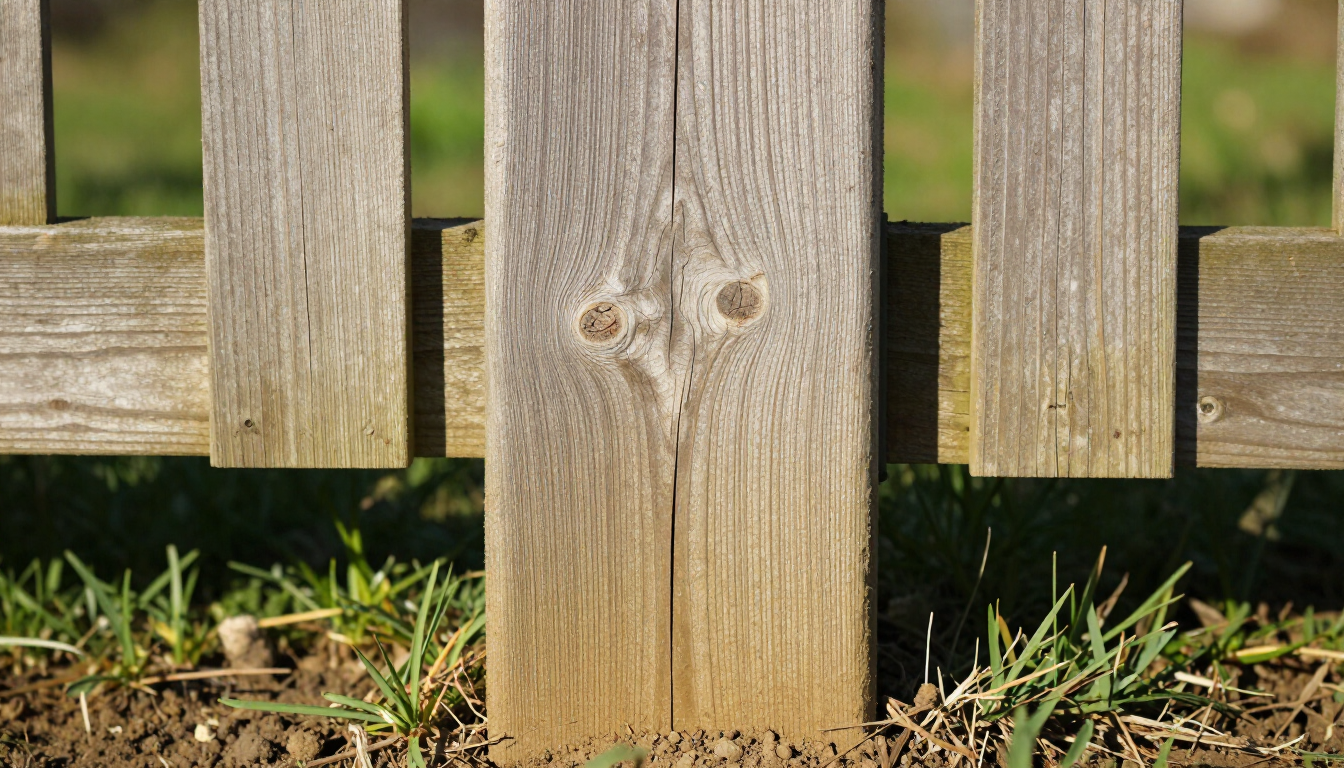
Wood posts face an additional threat. The ground level transition zone, where soil meets air, is the most punishing environment for wood. Moisture, heat, and fungal growth all concentrate right there. A post can look perfectly healthy above ground while the base is significantly compromised below it.
A rocking post doesn't get better on its own. It gets worse, and it takes the fence sections attached to it down when it finally goes.
Sign #2: You Can See Boards Pulling Away From the Rails
Step back and look at your fence from a distance. Are all the pickets sitting flat and flush against the horizontal rails? Or do some of them bow outward, pull away at the top, or sit at a slightly different angle than the others?
Boards pull away from rails for a few reasons. Fasteners rust and lose their grip over time. Wood shrinks and expands through Killeen's hot summers and wetter seasons, and that movement works screws and nails loose gradually. Sometimes the rail itself is the problem, weakening at the point where fasteners attach.
A single loose board is a quick fix. Left alone, that board puts stress on the rails and fasteners around it. More boards follow. What starts as a one-board repair becomes a section replacement.
Pay Attention to the Bottom Rail
The bottom rail takes more abuse than any other horizontal member on a wood fence. It sits closest to the ground, where moisture collects after rain and where soil contact can accelerate rot. If your bottom rail feels soft, looks discolored, or has boards pulling away from it specifically, the rail itself likely needs replacing, not just the boards attached to it.
Sign #3: Your Gate Doesn't Close or Latch Properly
A gate that doesn't close right is easy to dismiss as a minor annoyance. It is actually one of the more telling signs that something structural is going on with your fence.
Gates are heavy. They put constant stress on the posts and hinges they're attached to. When a gate starts to sag, drag along the ground, or refuse to latch without lifting it, that stress is showing up as a visible symptom.
The root cause is usually one of three things:
- The hinge post is shifting or leaning under the weight of the gate
- The hinges themselves have pulled away from the post and lost their grip
- The gate frame has racked, meaning it has shifted out of square over time
None of these fix themselves. A gate that sags today puts more stress on an already weakened hinge post tomorrow. Eventually the post leans far enough that the gate becomes unusable and the fence section around it starts to go with it.
Pool Fence Gates Deserve Extra Attention
If the gate in question is on a pool fence, a latch that doesn't catch reliably is a safety issue, not just a maintenance issue. Texas law requires pool fence gates to be self-closing and self-latching. A gate that fails either of those requirements puts you out of compliance and creates a real risk for young children.
Don't put off a pool gate repair. It sits in a different category than a standard fence gate.
Sign #4: You Notice Rust, Rot, or Discoloration at Ground Level
The base of your fence is where damage almost always starts. Most homeowners focus on what they can see at eye level. The problems that lead to big repairs almost always begin at the bottom.
For wood fences, look for:
- Soft or spongy wood at the base of posts and bottom rails
- Dark discoloration that extends several inches up from the ground
- A sour or musty smell near the base of posts
- Wood that crumbles or gives way when you press it with a screwdriver
For metal fences, look for:
- Orange or brown rust forming at post bases and joints
- Paint or coating that is bubbling, flaking, or peeling near ground level
- Rust streaks running down from fasteners or hinges
In Killeen's climate, rot and rust at ground level don't stay contained. Rot spreads through wood as fungal growth follows moisture. Rust spreads across metal as the protective coating fails around the original damage point.
Catching either one early means treating or replacing a small section. Missing it means the damage has more time to spread into a larger and more expensive repair.
Sign #5: Your Fence Leans or Bows Along the Fence Line
Stand at one end of your fence and look down the line like you're sighting down the barrel of something. Your fence line should look straight and consistent from post to post. Pickets should sit vertical. Rails should run level.
If sections bow outward, lean in one direction, or show a visible wave along the fence line, something structural has shifted.
A lean almost always starts with a post. One post shifts and pulls the sections on either side of it out of alignment. As more weight transfers to neighboring posts, they begin to stress as well. What starts as a single leaning post becomes a leaning section, and a leaning section left unaddressed becomes a collapsed section.
Bowing between posts is a different issue. It usually points to rails that have weakened or warped to the point where they no longer hold the fence panels rigid. In Killeen's heat, wood rails that weren't properly sealed can warp significantly through a single summer.
Wind Makes a Leaning Fence Worse Fast
A fence that leans even slightly catches wind differently than a straight one. Killeen sees strong wind gusts during spring and summer storms. A compromised fence that might hold up through a calm season can come down quickly when a storm pushes against it at the wrong angle.
If you notice a lean, don't wait for storm season to make the decision for you.
How to Check Your Fence Before Problems Compound
You don't need any special tools or expertise to catch most fence problems early. A thirty-minute walk along your full fence line once or twice a year tells you most of what you need to know.
Bring a screwdriver and push the tip firmly into wood at ground level on each post. Walk gates through their full range of motion and test every latch. Push each post. Look down the fence line from each end. Get close enough to see what's happening at ground level on both sides.
Do this in early spring before storm season and again in early fall after summer has put your fence through its hardest months.
Small Repairs Now Cost a Fraction of Big Repairs Later
This is the part worth remembering. Every one of the five signs above is repairable at a reasonable cost when it gets caught early.
A rocking post reset or replaced before it falls costs far less than a section replacement after it takes neighboring posts down with it. A gate rehung before the hinge post leans too far costs far less than replacing the post, the gate, and the sections attached to both.
The math always favors catching things early. The homeowners who avoid emergency repair calls aren't lucky. They're paying attention.
Not Sure What You're Looking At? Let Us Take a Look.
Killeen Fencing Company has repaired fences across this city through every season and every type of weather Central Texas throws at them. We know what failing posts look like before they fall. We know what early rot looks like before it spreads. We know what a gate is telling you when it stops closing right.
If you've noticed any of the signs above or you just want a professional eye on your fence before storm season arrives, reach out today. We'll walk your property, give you an honest assessment, and tell you exactly what needs attention and what can wait.
No pressure. No upselling. Just a straight answer about what your fence actually needs.
You might also like