Wood vs. Vinyl Fencing: Which Holds Up Better in Killeen?
A couple came to us last spring trying to make a decision they'd been going back and forth on for weeks.
They wanted a privacy fence for their backyard in Killeen. They had a budget, a style in mind, and two options they kept circling back to. Wood or vinyl. Every time they thought they'd landed on one, something made them second-guess it.
Sound familiar?
This is one of the most common conversations we have with Killeen homeowners. And the honest answer isn't as simple as picking a winner. Both materials have real strengths. Both have real limitations. And in Killeen's specific climate, those strengths and limitations play out in ways that matter more than they would in a milder part of the country.
Here's what we've learned from installing both across Central Texas.
First, What Are You Actually Comparing?
Wood and vinyl are fundamentally different materials. They behave differently in heat. They respond differently to moisture. They age differently. They require different levels of attention over time.
What they have in common is this: both can give you a solid, attractive privacy fence when they're installed correctly and maintained appropriately for the conditions they're sitting in.
The comparison that matters most for Killeen homeowners isn't which one looks better on day one. It's which one holds up better over five, ten, and fifteen years in this specific climate.
How Wood Performs in Killeen's Climate
Wood is the most popular fence material in Killeen. That popularity is earned. A well-built wood fence looks natural, gives you complete privacy, and fits the character of almost every neighborhood in the city.
But wood and Killeen's climate have a complicated relationship.
Heat and Sun Exposure
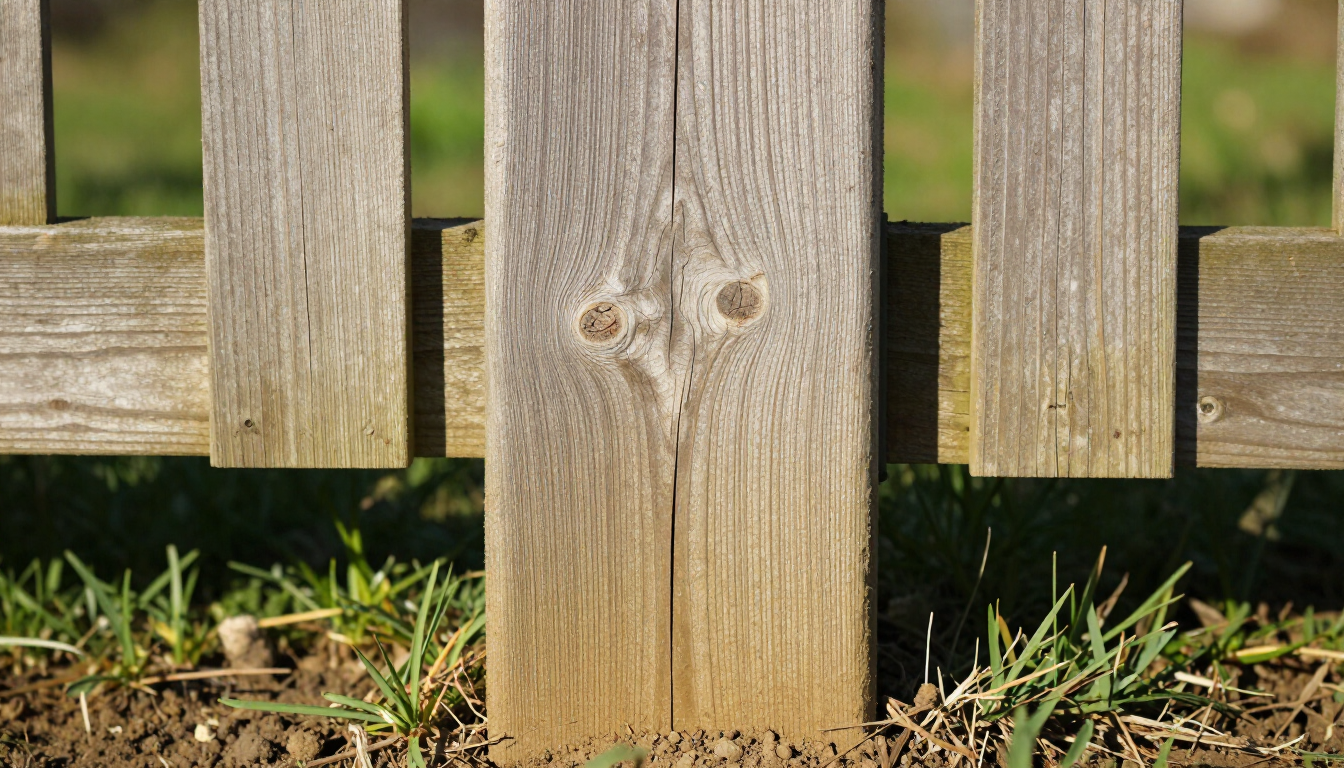
Killeen's summers are relentless. Temperatures sit above 95°F for weeks at a time and UV exposure is intense from June through September. Wood dries out under that kind of heat. Moisture evaporates from the wood fibers faster than it can be replaced, creating tension that eventually releases as cracks along the grain.
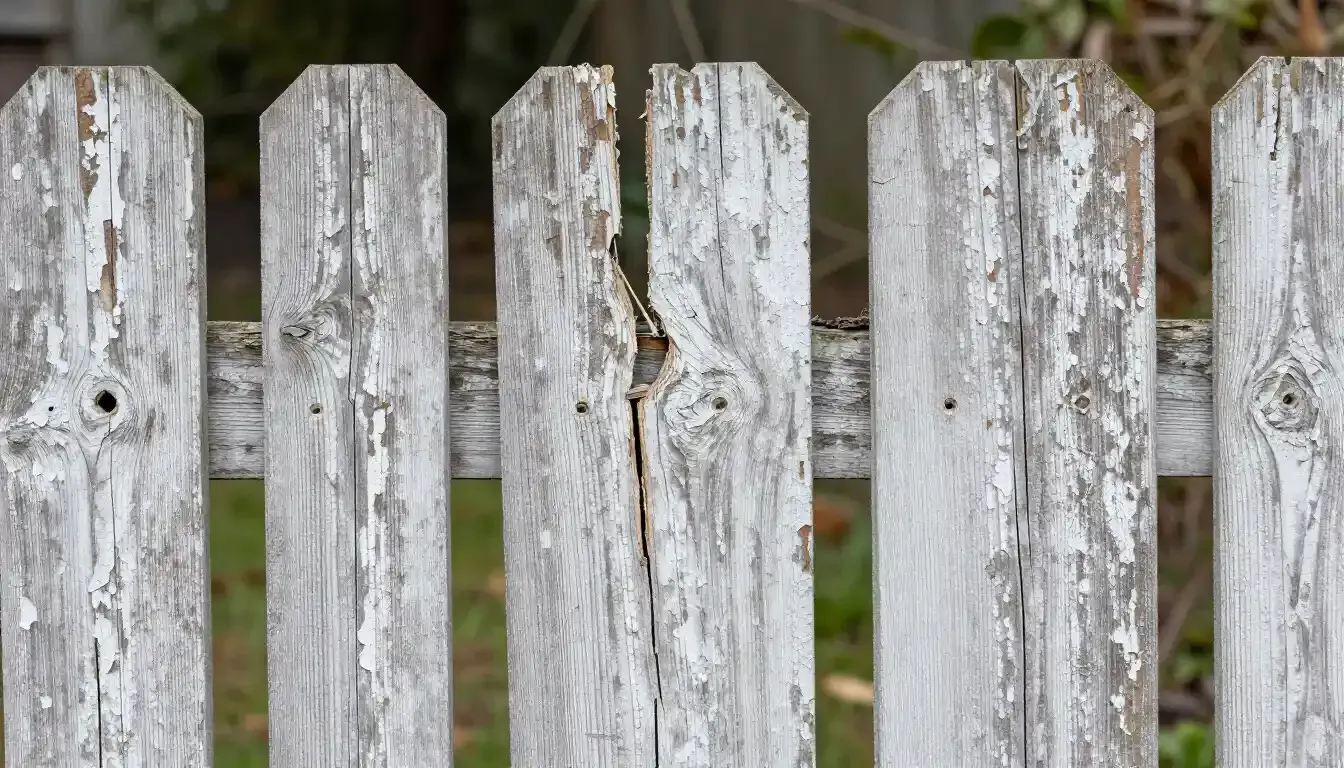
Those splits along the face of fence pickets are one of the most common things we see on wood fences that have been through a few Central Texas summers without proper sealing.
Humidity and Moisture Cycling
Killeen's heat comes with humidity. That combination is particularly hard on wood because it creates constant moisture cycling. Hot and dry during the day. Humid overnight. Heavy rain during storm season followed by dry stretches that pull moisture back out of the wood quickly.
Wood expands and contracts through that cycling. Over time those repeated movements work fasteners loose, cause boards to warp or cup, and create gaps in fence lines that were tight when the fence was first installed.
The Ground Level Problem
The base of a wood fence is where most of the serious damage starts in Killeen. Wood posts sitting at ground level face the worst of what this climate produces. Moisture, heat, fungal growth, and insect activity all concentrate right where the post meets the soil.
A wood post can look completely solid above ground while the base is significantly compromised below it. When a post fails at the base, it takes the fence sections attached to it down with it.
What Wood Needs to Hold Up Here
Wood fencing in Killeen isn't a set-it-and-forget-it investment. It needs attention to hold up through this climate.
Cedar is the right wood choice for Central Texas. It resists moisture and repels insects better than pine. It costs more than pressure-treated pine upfront but earns that price difference over time in a climate like this one.
Beyond material choice, a wood fence in Killeen needs:
- Quality sealant applied at installation and refreshed every two to three years
- Regular inspection of posts at ground level for early signs of rot
- Fasteners that resist rust and hold their grip through moisture cycling
- Prompt repair of individual boards and rails before damage spreads
Skip those steps and a wood fence in Killeen will show it within a few seasons. Follow them and a properly built cedar fence can last fifteen years or more.
How Vinyl Performs in Killeen's Climate
Vinyl fencing has grown in popularity across Killeen over the past decade. The maintenance pitch is the main driver. Homeowners hear that vinyl doesn't need staining, sealing, or painting and that sounds very appealing after a few seasons of wood fence upkeep.
That pitch is largely true. But vinyl in Killeen's climate has its own set of considerations worth understanding before you commit.
Heat and UV Exposure
Vinyl is plastic. Plastic responds to heat in ways that matter in a climate like Killeen's.
On a 100°F day, a vinyl fence panel sitting in direct sun gets significantly hotter than the air temperature around it. Quality vinyl is manufactured to handle thermal expansion, but panels installed without adequate room to expand can buckle, bow, or push out of the fence line under that heat load.
UV exposure is the other long-term concern. High-quality vinyl manufactured with UV inhibitors holds its color and surface integrity well over time. Lower-grade vinyl fades, chalks, and becomes brittle after years of Central Texas sun. The difference between quality vinyl and cheap vinyl becomes very visible after five or six summers in this climate.
Moisture and Storm Resistance
Vinyl doesn't absorb moisture the way wood does. Rain doesn't penetrate it. Humidity doesn't cause it to expand and contract the way wood does. This is one of vinyl's genuine advantages in Killeen's climate.
Vinyl holds up well through the moisture cycling that causes so much trouble for wood fences here. It won't rot at the post base the way wood does. Post bases on vinyl fences are typically aluminum or steel sleeves that eliminate the ground level rot problem entirely.
Storm winds are where vinyl shows its main structural limitation. Solid vinyl panels catch wind like a sail during the strong gusts that come through Killeen in spring and summer storm season. A vinyl fence needs very solid post installation to handle that wind load over time. A vinyl fence on shallow or poorly set posts will show it during the first serious storm season it goes through.
What Vinyl Needs to Hold Up Here
Quality vinyl installed correctly in Killeen genuinely does deliver on the low maintenance promise. Here's what that looks like in practice:
- Quality vinyl with UV inhibitors, not entry-level panels that fade and chalk
- Posts set at the correct depth for Killeen's reactive clay soil
- Expansion gaps built into the installation to accommodate thermal movement
- Occasional cleaning with a garden hose to remove dirt and mildew
That last point is about as demanding as vinyl maintenance gets in Killeen. If those installation details were handled correctly when the fence went in, your vinyl fence should hold up with very little ongoing effort.
The Real Cost Comparison
Upfront cost and long-term cost tell different stories with wood and vinyl.
Wood costs less upfront in almost every comparison. A cedar privacy fence runs lower than a comparable vinyl fence at the point of installation. That gap is real and it matters if budget is a primary concern.
Vinyl costs more upfront but changes the math over time. When you account for the cost of sealing a wood fence every two to three years, replacing boards and rails that fail through moisture cycling, and addressing post issues that develop over time in Killeen's climate, the total cost of owning a wood fence over fifteen years often closes the gap with vinyl significantly.
Neither option is definitively cheaper over a full fence lifespan. It depends on how consistently you maintain a wood fence and how well the vinyl was installed in the first place.
Which One Actually Wins in Killeen?
Here's the honest answer.
Vinyl wins on long-term durability and maintenance demands in Killeen's climate. If you want a fence that asks very little of you over its lifespan, quality vinyl installed correctly is the lower-effort choice in Central Texas.
Wood wins on upfront cost, natural appearance, and the ability to be repaired component by component rather than replaced in sections. A cedar fence that gets proper maintenance holds up well in Killeen. It asks more of you, but it rewards that attention.
The couple who called us last spring? They went with cedar board-on-board. They wanted the natural look and they were willing to commit to the maintenance. We sealed the fence at installation and walked them through what to watch for over the first couple of seasons.
That's the right way to approach this decision. Know what each material asks of you in this climate and choose the one that fits how you actually plan to take care of it.
Not Sure Which Direction Makes Sense for Your Yard?
Killeen Fencing Company has installed both wood and vinyl fences across this city through every season of Central Texas weather. We'll walk your property, talk through both options honestly, and help you land on the right choice for your yard, your budget, and your lifestyle.
You might also like