
How to Extend the Life of a Wood Fence in a Humid Climate
A homeowner called us a few years back frustrated about a fence that was only four years old.
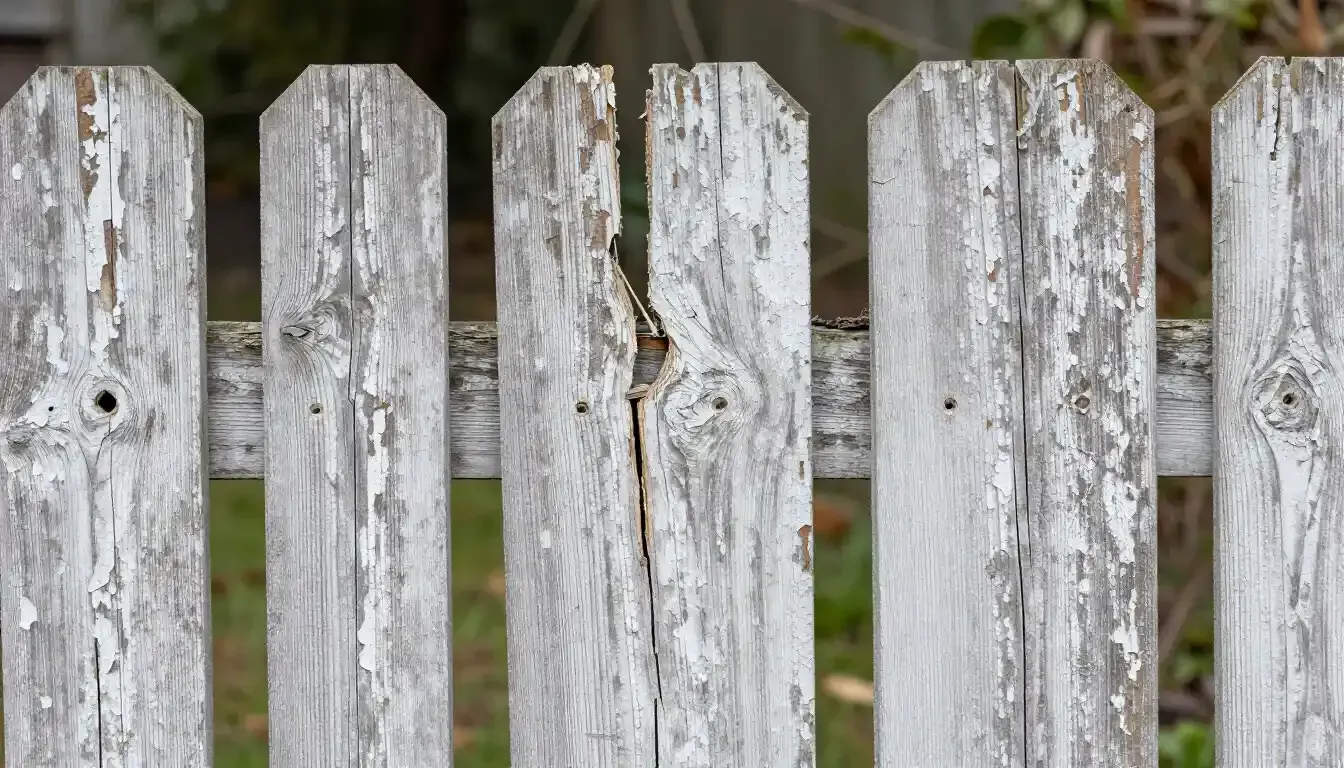
The pickets were warping. The bottom rail had gone soft. Two posts were leaning. She had paid good money for the fence and expected to get at least ten years out of it. Four years in, she was looking at significant repairs.
When we got out there, the problem wasn’t the fence. It was what hadn’t been done to the fence after it was installed. No sealant had ever been applied. Vegetation had grown directly against the boards on one side. The bottom of several posts showed classic signs of moisture damage that had been building since the first wet season.
The fence wasn’t defective. It had just been left completely on its own in a climate that punishes neglect faster than almost anywhere else in the country.
That story doesn’t have to be yours.
Why Humidity Is the Enemy of Wood Fences
Before we get into what to do, it helps to understand what you’re actually up against in a humid climate like Killeen’s.
Wood is a natural material. It breathes. It absorbs moisture when the air is humid and releases it when conditions dry out. In a climate with mild humidity and consistent temperatures, that cycle is manageable. Wood expands and contracts within a narrow range and holds up reasonably well without a lot of intervention.
Killeen’s climate doesn’t work that way.
Summers here are hot and sticky. Humidity stays high through the warm season. Heavy spring rains saturate everything, including the soil around your fence posts. Then summer heat arrives and dries things out fast. That repeated cycle of wet and dry, combined with heat that regularly pushes past 95°F, puts constant stress on wood from the inside out.
Every time wood absorbs moisture and then dries out, the fibers swell and shrink. Over time that movement works fasteners loose, opens gaps between boards, and creates cracks along the grain where moisture can get deeper into the wood on the next wet cycle. Left unchecked, that process leads exactly where that homeowner ended up: a fence that aged twice as fast as it should have.
The good news is that most of this damage is preventable with the right approach.
Start With the Right Wood
Extending the life of a wood fence in a humid climate starts before installation. The species of wood you choose matters more here than it does in a drier climate.
Cedar is the top choice for Central Texas fence installations. It contains natural oils that repel moisture and resist the insects that target wet or rotting wood. It handles the expansion and contraction cycle of humid climates better than most other species. It costs more than pressure-treated pine upfront but earns that difference over time in a climate like this one.
Pressure-treated pine is a workable alternative if budget is a constraint. The chemical treatment helps it resist rot and insects. But it still requires consistent maintenance in a humid climate and tends to show wear sooner than cedar under the same conditions.
Avoid untreated pine, spruce, or any wood not rated for ground contact on posts. Those materials have no real defense against what Killeen’s climate does to them.
Seal the Fence at Installation — Not Later
This is the single most important step most homeowners skip.
A lot of people assume they’ll seal the fence after it has had time to settle. By the time they get around to it, the wood has already been through a season or two of unprotected exposure. That exposure gives moisture a head start that sealant struggles to fully reverse.
The right time to seal a wood fence is at installation or as close to it as possible. Fresh wood that hasn’t been through wet and dry cycles yet absorbs sealant more effectively and starts its life with full protection rather than playing catch-up.
What to Look for in a Wood Fence Sealant
Not all sealants perform equally in a hot, humid climate. Here’s what matters when you’re choosing one for a Killeen fence:
- Water repellency — the sealant should bead water off the surface rather than letting it soak in
- UV protection — look for formulas that include UV blockers to slow the sun damage that Central Texas summers accelerate
- Flexibility — a sealant that stays flexible after curing handles the expansion and contraction of wood better than a rigid film that cracks
- Mildew resistance — humidity encourages mildew growth on wood surfaces; a sealant with mildew inhibitors slows that process significantly
Apply sealant to all exposed surfaces including the top cut of each picket. That end grain at the top of every picket is one of the most vulnerable spots on a wood fence. It soaks up moisture faster than the face grain and dries out slower. Covering it at installation makes a real difference.
Reseal on a Consistent Schedule
Sealant doesn’t last forever, especially in a climate that puts it through the wringer every summer. In Killeen’s conditions, plan to reseal your wood fence every two to three years.
A simple test tells you when it’s time. Splash a little water on the fence surface. If it beads up and rolls off, the sealant is still working. If it soaks into the wood within a few seconds, the protection has worn down and it’s time to reseal.
Before applying a new coat, clean the fence thoroughly. Dirt, mildew, and degraded old sealant all reduce how well a new coat bonds to the wood. A pressure washer on a low setting works well for this. Let the fence dry completely before applying anything. Sealing damp wood traps moisture inside rather than protecting against it.
Keep Vegetation Away From the Fence Line
This step gets overlooked constantly and it causes real damage over time.
Plants, vines, and shrubs growing directly against a wood fence trap moisture against the boards and block the airflow that helps wood dry out after rain. In Killeen’s climate, a fence section buried in vegetation stays wet longer than the rest of the fence after every rain event. That prolonged moisture exposure is exactly the condition that accelerates rot and mildew growth.
Maintain a clear gap of at least several inches between any vegetation and the fence line on both sides. Trim back anything touching the boards regularly through the growing season. If vines have been climbing the fence, remove them carefully. The tendrils that vines use to grip wood pull at the surface and create small damage points that let moisture penetrate deeper.
Address the Ground Level First
The base of your fence is where most serious damage begins. We say this in almost every piece of content we write about wood fences because it’s true and it’s the part most homeowners pay the least attention to.
Check the base of every post and every bottom rail at least once a year. Here’s how to do it properly:
Press a screwdriver tip firmly into the wood at ground level on each post. Solid wood will resist the pressure. Wood that is compromised by rot will give way easily, sometimes with very little force. That screwdriver test catches rot that isn’t visible on the surface yet.
Look for dark discoloration at the base of posts and along the bottom rail. Healthy wood has consistent color. Rot tends to show as darker staining that spreads from the ground up.
Check for soft spots by pressing firmly with your thumb. Wood that leaves an impression has lost its structural integrity regardless of how solid it looks on the surface.
Catching rot at this stage means replacing a single post or a section of bottom rail. Missing it means the damage spreads into neighboring sections and turns a small repair into a much larger one.
Inspect and Replace Fasteners
The screws and nails holding your fence together have a lifespan too. In a humid climate, fasteners that weren’t rated for exterior use will rust. Rust stains run down the face of pickets and, more importantly, rust weakens the fastener’s grip over time.
Check visible fasteners annually for rust, corrosion, and any signs of pulling away from the wood. Replace rusted fasteners with exterior-grade stainless or galvanized hardware. Standard interior fasteners have no place in a fence that sits in Killeen’s humidity year-round.
Boards that have pulled away from rails are often telling you a fastener has failed, not that the board itself is the problem. Replacing the fastener and reattaching the board correctly is a five-minute fix that prevents a board from becoming a leverage point that stresses the rail over time.
Deal With Problems While They’re Still Small
The most expensive fence repairs we do in Killeen are the ones that waited too long. A single rotten post caught early costs a fraction of what a collapsed fence section costs after storm season makes the decision for the homeowner.
Every repair on a wood fence follows the same pattern. A small issue left alone becomes a bigger one. A bigger one becomes structural. Structural damage brings down sections. Sections take neighboring posts and rails with them.
Walk your fence line twice a year. Early spring before storm season and early fall after summer has put it through the hardest months. Look at the whole fence, not just the parts you walk past every day. The damage you can’t see from the back porch is usually the damage worth finding early.
How Long Should a Wood Fence Last in Killeen?
A cedar fence in Killeen that was installed correctly and maintained consistently should last fifteen years or more. Some last twenty. The homeowners who get that kind of lifespan out of a wood fence in this climate aren’t doing anything complicated. They’re sealing on schedule, checking posts annually, keeping vegetation clear, and fixing small things before they become big ones.
The homeowners who call us for premature repairs are almost always dealing with the result of skipping one or more of those steps for a few seasons in a row.
The fence itself is usually not the problem. The climate gets the blame. But the climate is the same for every fence in Killeen. What separates the ones that last from the ones that don’t is almost always maintenance.
Need Help With Your Wood Fence?
Whether your wood fence needs a fresh inspection, targeted repairs, or a full installation done right from the start, Killeen Fencing Company is here to help.
We install and repair wood fences across Killeen and the surrounding Central Texas communities. Reach out today for a free on-site assessment or installation quote. We’ll tell you honestly what your fence needs and what it will take to keep it standing strong through many more Central Texas summers.
You might also like