How Killeen's Summer Heat Affects Your Fence (And What to Do About It)
August in Killeen is no joke.
By mid-morning the thermometer is already pushing past 95°F. The sun beats down on everything in your backyard without mercy. Your grass goes dormant. Your garden needs water every day. And your fence? It's out there taking the full force of it, hour after hour, day after day, for months at a stretch.
Most homeowners never think about what that does to a fence until something goes wrong. A board splits. A post leans. A gate stops closing right. By the time those problems show up, the damage has usually been building for an entire season.
Understanding what Killeen's heat actually does to different fence materials is the first step toward protecting your investment. Here's what we see every summer and what you can do about it.
What Killeen's Summer Actually Puts Your Fence Through
Before we get into specific materials, it helps to understand the full picture of what your fence faces every summer in Central Texas.
It isn't just heat. It's a combination of conditions that work together to stress fence materials from multiple directions at once.
- Daytime temperatures regularly exceed 95°F and often push past 100°F
- UV radiation at this latitude is intense and relentless through June, July, and August
- Humidity stays high through most of the summer, especially overnight
- Afternoon thunderstorms bring sudden heavy rain after long dry stretches
- That cycle of dry heat followed by heavy rain puts constant stress on materials that expand and contract with temperature changes
No fence material is completely immune to these conditions. But some handle them dramatically better than others.
What Summer Heat Does to Wood Fences
Wood is the most popular fence material in Killeen. It's also the most vulnerable to what our summers put it through.
Here's what happens to a wood fence through a Central Texas summer.
Drying and Cracking
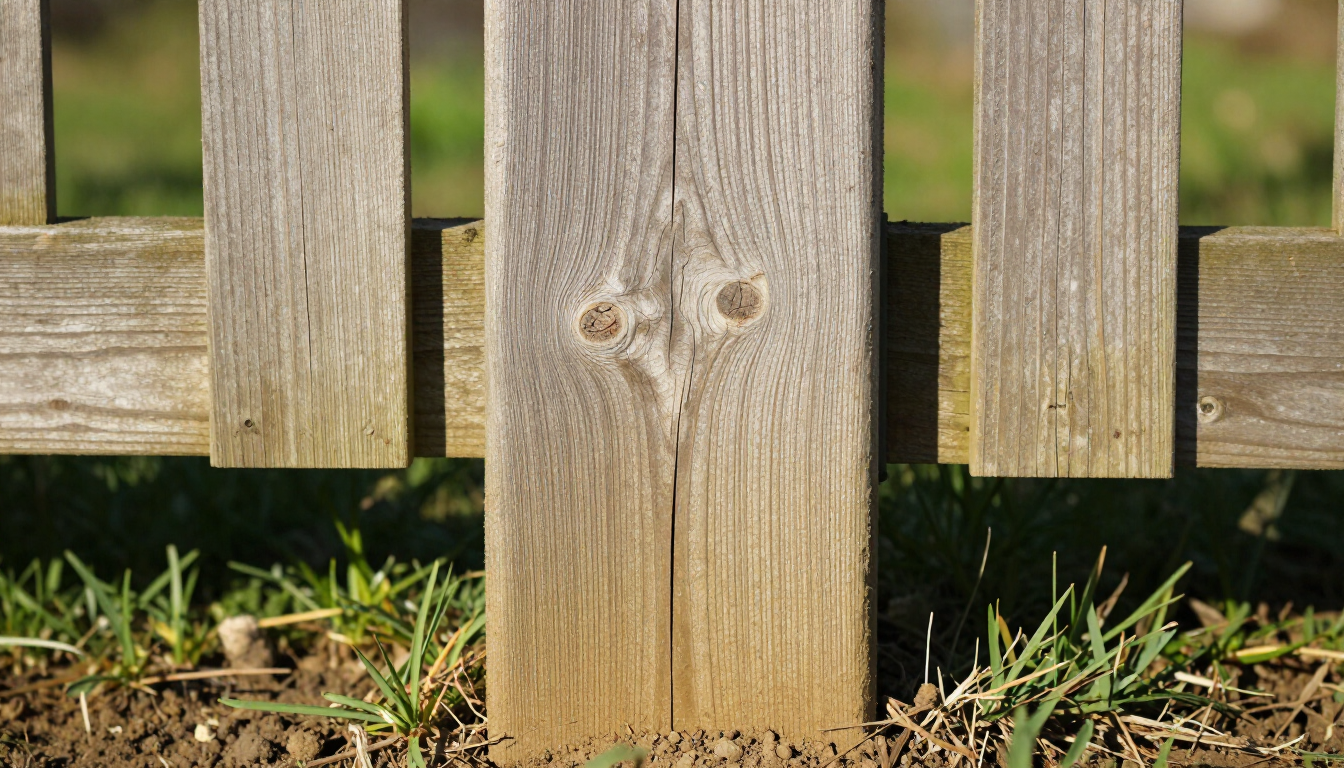
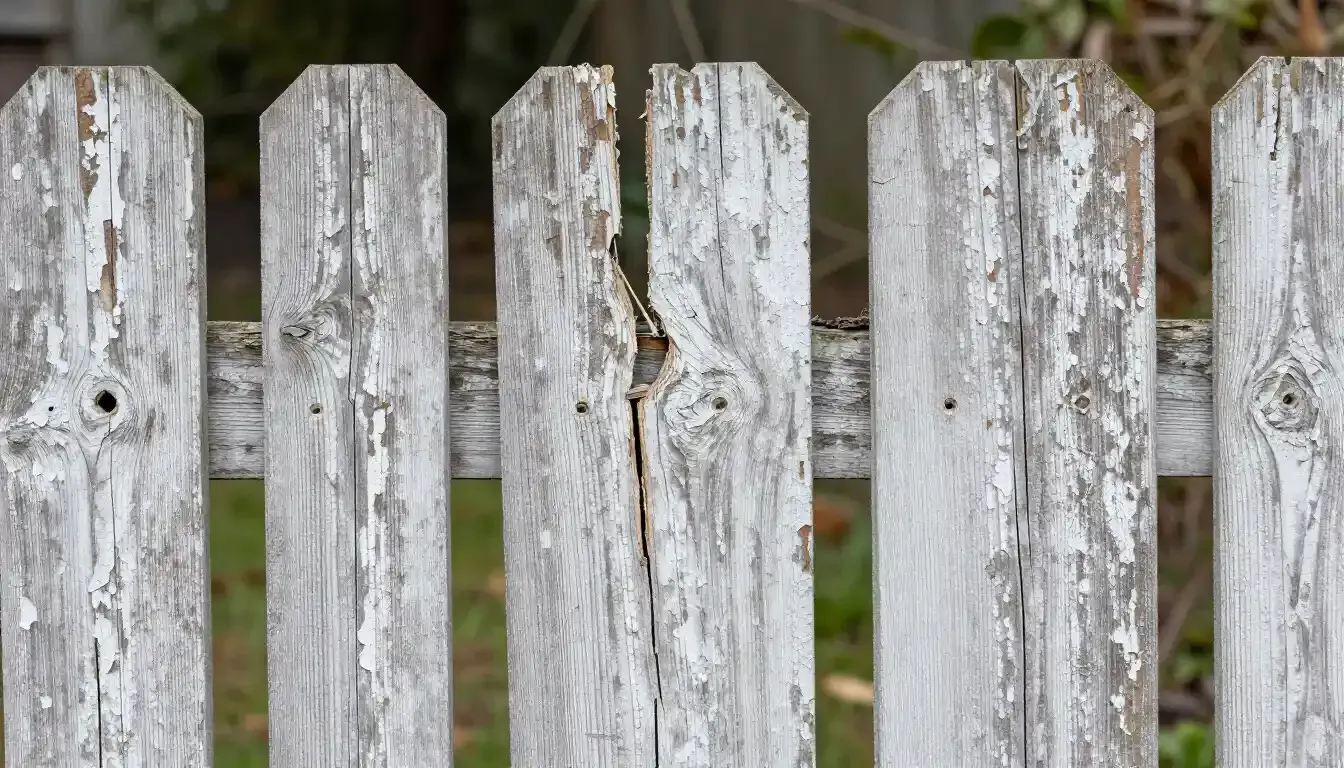
When temperatures climb above 95°F and stay there, moisture evaporates out of wood faster than it can be replaced. The wood fibers shrink as they dry. That shrinkage creates tension inside the board that eventually releases as a crack along the grain.
You've probably seen this on older wood fences around Killeen. Those long vertical splits running down the face of a picket aren't age alone. They're the result of repeated summer drying cycles over several years.
Warping and Cupping
Wood doesn't dry evenly. The side of a fence board facing the sun loses moisture faster than the shaded side. That uneven drying causes the board to warp or cup, pulling away from flat. Warped boards let gaps open up in your fence line and give wind a better grip on your fence during storms.
Post Rot at Ground Level
Here's the part that catches most homeowners off guard. The intense heat at the surface of the soil during summer creates a transition zone at ground level where moisture levels swing dramatically. The top of the soil dries to almost nothing. A few inches down it stays damp.
Wood posts sitting in that zone cycle through wet and dry conditions constantly. Over time that cycling breaks down the wood at ground level faster than anywhere else on the fence. A post that looks solid above ground can be significantly compromised below it.
What You Can Do About It
The good news is that summer heat damage to wood fences is largely preventable with the right steps.
Seal Your Fence Before Summer Hits
A quality penetrating wood sealant slows moisture loss during hot dry stretches and slows moisture absorption during heavy rain. Applied correctly before summer arrives, it gives your fence a real layer of protection through the hardest months.
The key word is before. Sealing a fence in October helps, but sealing it in April or early May gives it protection through the months that matter most. Clean the fence thoroughly first, let it dry completely, then apply sealant to all exposed surfaces including the top cut of each picket where water and sun do the most damage.
Check Your Posts Every Spring
Make a habit of checking each post at ground level every spring before summer arrives. Push each post firmly and feel for any movement. Probe the wood at ground level with a screwdriver. If the tip penetrates easily, the wood is soft and the post is compromised.
Catching a failing post in spring costs far less than dealing with a section of collapsed fence after a summer storm.
Give Your Fence Room to Breathe
Vegetation growing directly against your fence traps moisture against the wood and blocks airflow. Trim back any plants, vines, or shrubs that press against the fence line. A few inches of clearance makes a real difference in how well your fence dries out after rain.
What Summer Heat Does to Vinyl Fences
Vinyl handles heat differently than wood, but it isn't without vulnerabilities in Killeen's climate.
Vinyl expands when it gets hot. On a 100°F day, a vinyl fence panel gets significantly hotter than the air temperature when it sits in direct sun. That expansion is normal and vinyl is designed to handle it, but low-grade vinyl or improperly installed panels can buckle or bow when there's no room built into the installation to accommodate that movement.
Quality vinyl installed correctly handles Killeen summers well. Cheap vinyl installed without proper expansion gaps can look wavy and distorted after just a few summers of Central Texas heat.
What Summer Heat Does to Metal Fences
Metal fences respond to heat in ways that depend heavily on the specific metal and its protective coating.
Wrought Iron
Iron expands slightly in heat just like any metal. The bigger concern in Killeen isn't the heat itself but what happens when heat combines with humidity. Any chip or scratch in the protective coating on an iron fence becomes an entry point for rust. Summer humidity accelerates that process significantly.
Inspect iron fences each spring for chips, scratches, or rust spots. Touch up the protective coating before summer arrives to stop rust before it spreads.
Aluminum
Aluminum handles Killeen's summer heat better than any other fence material we install. It doesn't rust. It doesn't absorb moisture. It expands and contracts with temperature changes without cracking or warping. If low maintenance through brutal Central Texas summers is your priority, aluminum earns its reputation here.
The Fences That Struggle Most in Killeen Summers
After years of installing and repairing fences in this city, certain patterns show up every summer without fail.
The fences that take the most damage are almost always:
- Wood fences that haven't been sealed in two or more years
- Fences with posts that were set too shallow for Killeen's soil conditions
- Low-grade vinyl installed without proper expansion allowances
- Iron fences with worn or chipped protective coatings that let rust take hold
None of these failures happen overnight. They build slowly through one summer, accelerate through the next, and show up as visible damage by the third.
A Little Attention Before Summer Saves a Lot of Money After
The homeowners who call us for repairs after summer storms are rarely dealing with brand new damage. Almost every time, the storm revealed a problem that summer heat had been building for months or years.
Walking your fence line in April takes fifteen minutes. Looking for soft posts, cracked boards, chipped coatings, and worn sealant gives you a clear picture of what needs attention before summer puts everything to the test.
Small repairs done in spring cost a fraction of what section replacements cost after summer damage compounds into something more serious.
Let Killeen Fencing Company Take a Look
If you're not sure how your fence is holding up after last summer or you want a professional eye on it before this summer arrives, Killeen Fencing Company can help.
We've seen what Central Texas heat does to every type of fence material across every kind of yard in this city. We know what to look for and what it means when we find it.
Reach out today to schedule an inspection or get a free repair estimate. A little attention now keeps your fence standing strong through whatever this summer brings.
You might also like